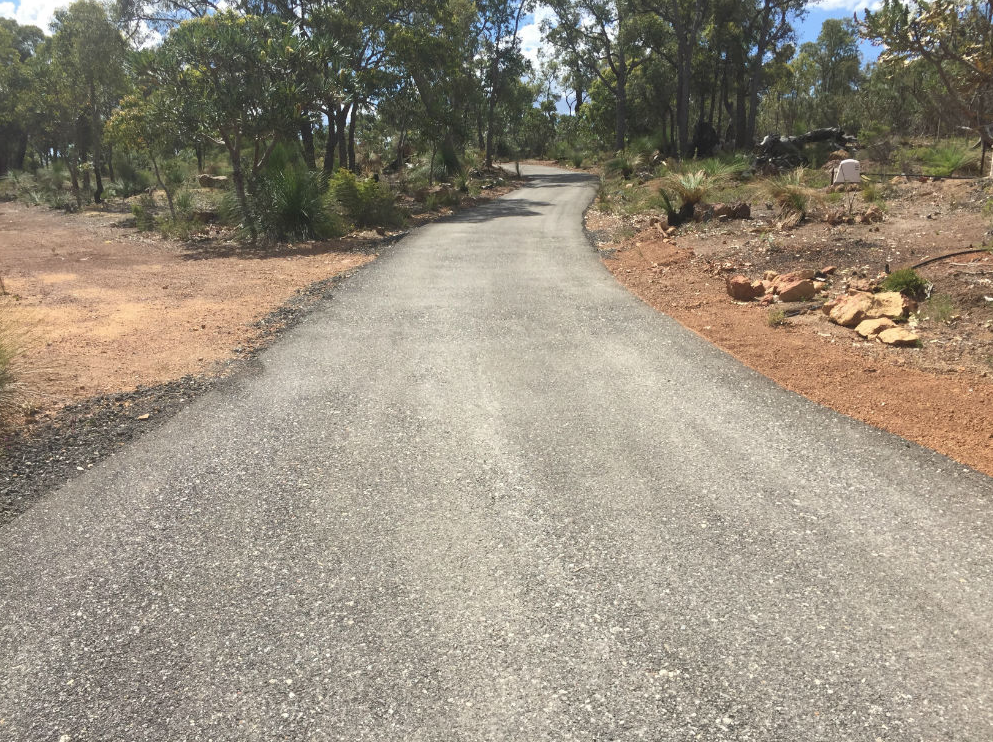
Hardstands are built to handle some of the most demanding conditions in surfacing. They support heavy vehicles, repeated loading, slow turning movements, and long periods of static weight. In Bathurst, where hardstands are commonly used for commercial, agricultural, and industrial purposes, failures can cause serious disruption if the surface is not designed correctly from the outset.
At Bathurst Road Tek, professional hardstand design is treated as a critical engineering process rather than a basic paving task. Getting the design right is what prevents premature and costly failures later on.
Hardstands Are Not Standard Pavements
Unlike driveways or light-use accessways, hardstands are exposed to far greater stresses. Heavy axle loads, frequent braking, and tight turning movements place intense pressure on both the surface and the layers beneath it.
Without professional design, common problems include:
- Rutting under wheel paths
- Surface deformation at turning points
- Cracking caused by inadequate load support
These failures are rarely surface-only issues. They usually indicate deeper structural shortcomings.
Load Assessment Is Essential
One of the most important aspects of professional hardstand design is understanding how the surface will be used. Vehicle types, weights, frequency of movement, and stationary loading all influence how the pavement should be constructed.
Professional assessment ensures:
- The base is designed to handle actual load demands
- Asphalt thickness matches usage intensity
- Stress is distributed evenly across the surface
Without accurate load assessment, hardstands are often underbuilt and prone to early breakdown.
The Role of Engineered Base Construction
The base layer provides the real strength of a hardstand. Asphalt alone cannot compensate for a weak or poorly prepared foundation.
Professional design focuses on:
- Removing unsuitable subgrade material
- Building engineered base layers with the correct materials
- Achieving high levels of compaction to prevent settlement
A stable base prevents movement that leads to cracking, depressions, and surface failure.
Managing Turning and Static Load Stress
Hardstands often experience slow-speed turning and prolonged stationary loads, which are particularly damaging to poorly designed surfaces. Tyres create shear forces that can tear at the asphalt if it is not properly supported.
Specialist design accounts for:
- Reinforcement of high-stress zones
- Adequate asphalt depth in loading and turning areas
- Reduced surface shear and deformation
This targeted approach prevents failures that commonly appear in high-use sections of hardstands.
Drainage Design Protects Structural Integrity
Water is a major contributor to hardstand failure. Poor drainage allows moisture to penetrate the base, reducing its strength and accelerating surface damage.
Professional hardstand design includes:
- Correct grading to direct water away
- Prevention of pooling in loading areas
- Long-term protection of base layers
Effective drainage is essential for maintaining structural integrity under heavy use.
Why Reactive Repairs Become Expensive
When hardstands fail due to poor design, repairs are rarely simple. Surface patching does not resolve base instability, leading to repeat failures and escalating disruption.
Poor design often results in:
- Ongoing repair cycles
- Expanding areas of damage
- Increased operational downtime
Professional design reduces the likelihood of these issues by addressing root causes from the start.
Long-Term Performance Through Proper Planning
A professionally designed hardstand performs more predictably over time. It wears evenly, responds better to maintenance, and remains fit for purpose under sustained use.
Well-designed hardstands:
- Maintain structural strength
- Reduce the risk of sudden failure
- Support safer and more efficient operations
This long-term reliability is the real value of professional design.
Conclusion
Professional hardstand design prevents costly failures by matching construction methods to real-world demands. Accurate load assessment, engineered base preparation, drainage control, and targeted reinforcement all play vital roles in ensuring long-term performance.
Bathurst Road Tek delivers professionally designed asphalt and bitumen hardstand solutions built for demanding conditions in Bathurst. For property owners and operators who rely on hardstands every day, investing in proper design from the outset is the most effective way to avoid premature failure and ensure reliable performance for years to come.
Call us on: 02 5301 9087
Click here to find out more about Bathurst Road Tek
Click here to complete our contact form and see how we can help with your asphalt and bitumen surfacing needs.